The Psychology of Spending: How to Break Bad Money Habits
Why this topic? I've watched highly paid colleagues earning six or even seven figures slide from financial comfort to bankruptcy. I've supported siblings who consistently struggle financially, regardless of their income. It has taught me that economic success isn't about what you make, it's about the habits you cultivate.
What I've learned can help you sidestep these common traps.
We all crave financial independence, but the real challenge is often the silent patterns that shape our spending. If you've ever set a savings goal only to fall short, you're not alone. The root cause? Our spending is driven more by emotion than logic. But you can change those patterns—and start building lasting freedom.
Why We Spend: The Hidden Triggers
Our money decisions
often come from deep emotional triggers. Here's what to watch for:
- Stress: Shopping offers quick relief from anxiety, but regret follows once the rush fades.
- Boredom: Browsing stores or online carts fills the void, but rarely matches your real needs.
- Social Influence: Friends and influencers flaunt their latest buys, sparking your own urge to spend—even on things you never wanted.
- Reward and
Celebration: Treating yourself after a tough week feels good, but can quickly become a costly habit.
- Nostalgia and Comfort: Buying something familiar brings comfort, but it's not always wise for your wallet.
Most of these habits start quietly, shaped by childhood or the people around us. The moment you spot your triggers, you regain control.
My Own Journey: From Impulse to Intention
I used to fall for "shiny
object syndrome"—snapping up every new business course or subscription, convinced it would transform my life. I rarely stopped to ask, "Will this actually make my business profitable?" Now, I pause and run every purchase through that simple test. If it doesn't pass, I move on. That shift changed my spending—and my results.
How to Break Bad Money Habits
- Spot Your Triggers: Track your spending and feelings for two weeks. Patterns will
jump out.
- Set Personal Goals: Focus on goals that matter to you—like freedom, security, or helping your family. They'll help you say no to temptations.
- Automate Good Choices: Move money into savings or investments right after payday. Out of sight, out of mind.
- Swap Habits: Replace spending with something positive—a walk, a book, or a call to a friend.
- Celebrate Wins: Every smart money move counts.
Track your progress and reward yourself for consistency.
Resources to Support Your Journey
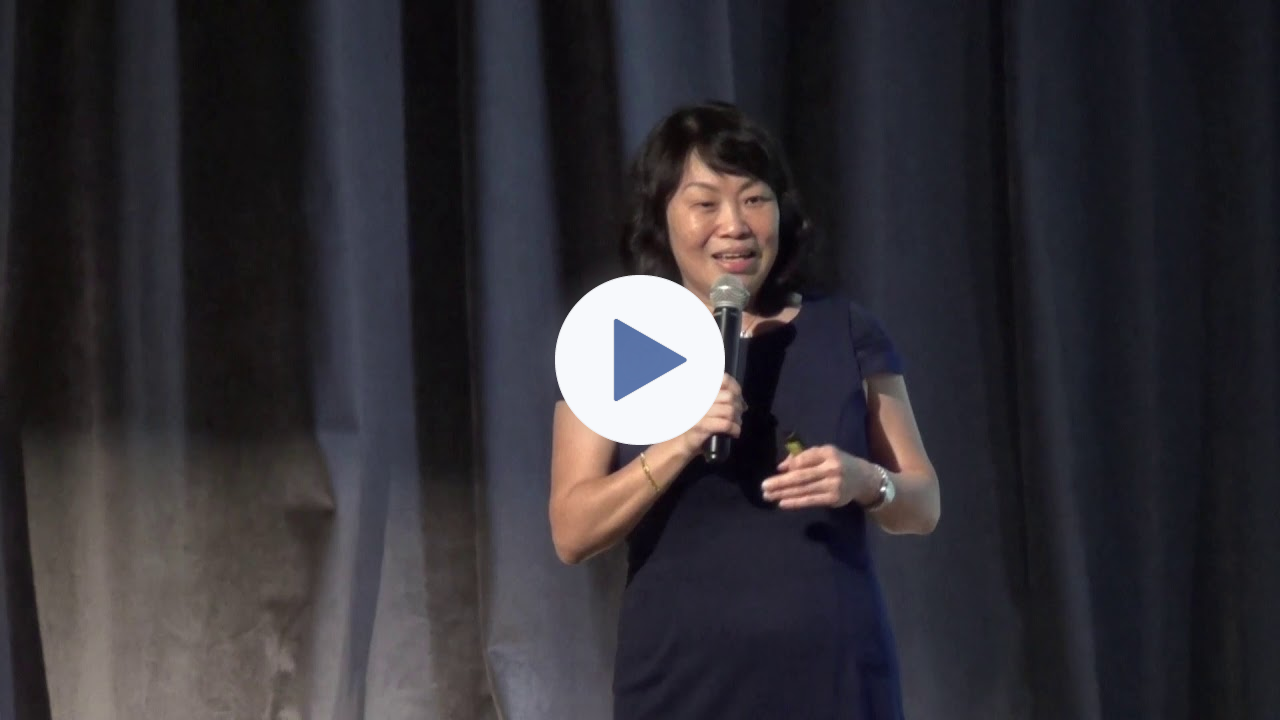
If you want a video on breaking bad money habits, this video features Dr. Carol Yip, the author of Money Rules, Smart Money User, Money Work Life, and Credit Card Syndrome, who offers a thoughtful exploration of how our psychology influences money—even when we're unaware of it